Family-owned · Port Saint Lucie Local
5.0 from 37 Google reviewsPool Deck Sealing in Port Saint Lucie
Protect your deck from chlorine, UV, and salt spray before the damage adds up.
Call or text (786) 695-0811Request an estimate
Tell us what you need
Pool Deck Sealing for Port Saint Lucie Homes
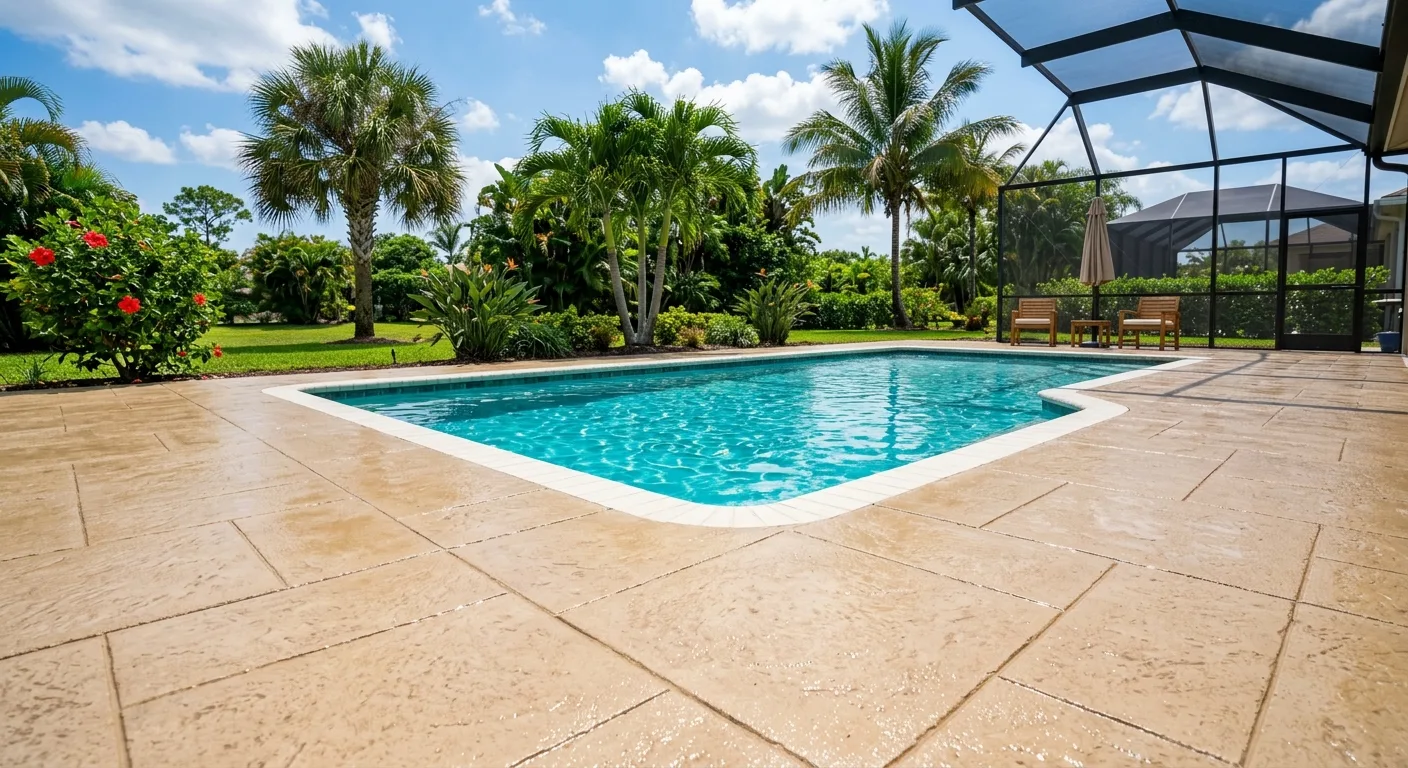
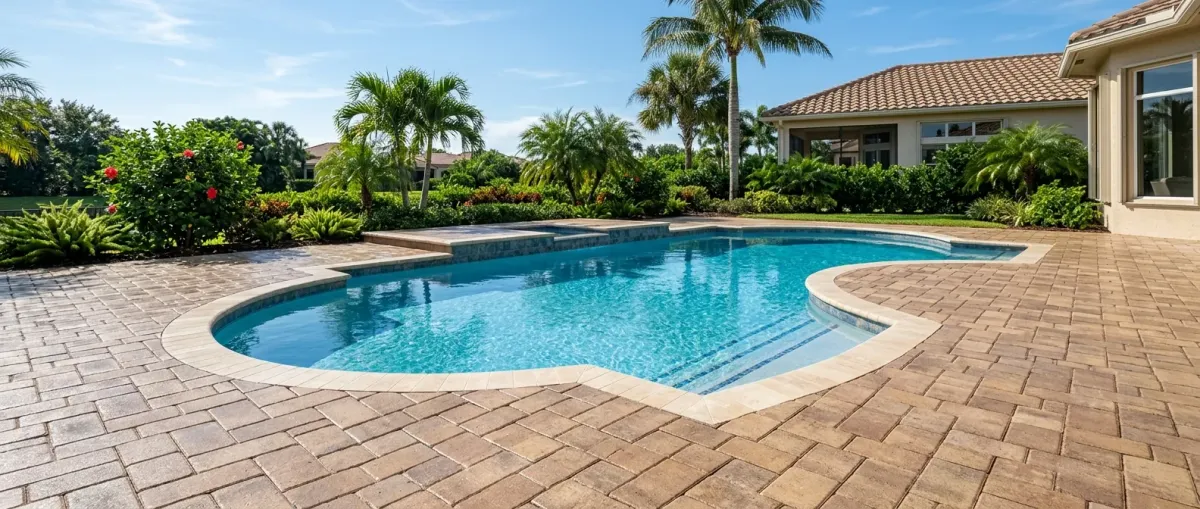
Captain Kirk's Carpet Cleaning LLC handles pool deck sealing in Port Saint Lucie for homeowners who want their deck to last more than one or two Florida summers. Kirk Barnes applies slip-resistant sealers to travertine, pavers, and concrete pool decks throughout the Treasure Coast. If you're seeing staining, chalky discoloration, or grout that's starting to crumble, that's the Florida climate doing what it does to an unsealed surface. Call (786) 695-0811 and we'll take a look before it gets worse.
Pool deck sealing isn't the same job as sealing a driveway or a patio. The surface around a pool takes chlorine splash, salt water exposure, near-constant UV, and bare wet feet all year long. The sealer has to be chemically resistant and slip-rated. What drives the cost up or down on a job like this is the size of the deck, the surface material (travertine behaves very differently from brushed concrete), the condition of the existing surface, whether the joints need new polymeric sand before sealing, and how deep any existing staining runs. Every job is different -- contact Captain Kirk's Carpet Cleaning LLC for an accurate estimate.
Why Pool Decks Fail Faster Than Other Outdoor Surfaces
Port Saint Lucie's climate is harder on pool decks than most homeowners expect.
Our Process
How the Sealing Process Works, Start to Finish
There are no shortcuts in this process that don't show up later. Here's what a proper pool deck sealing job looks like from the first step to when you can walk back on it.
Inspection and Surface Prep
We start by walking the full deck to check for cracks, loose joints, active efflorescence, and any spots where a previous sealer is failing. Damaged joints get repacked with polymeric sand before anything else happens. Then the deck gets pressure washed and allowed to fully dry. In Port Saint Lucie's humidity, that drying window matters. Sealing over a damp surface is one of the most common homeowner mistakes we fix.
Sealer Selection and Application
We match the sealer type to the surface. A wet-look solvent-based sealer works on many concrete decks but is too slick and too film-heavy for travertine near a pool. A penetrating sealer with a slip-resistant additive is usually the right call for pool decks specifically. We apply in thin, even coats and let each coat flash off completely before the next one goes down.
Cure Time and Return to Use
In Port Saint Lucie's heat and humidity, most sealers are dry to the touch in two to four hours, but foot traffic should wait at least 24 hours and pool equipment and furniture should stay off for 48 to 72 hours. We'll give you a specific timeline based on conditions on the day of the job. Don't let anyone tell you it's fine to walk on it the same afternoon.
Key Benefits
What Sealing Actually Does for Your Deck
Chlorine and Chemical Resistance
A quality sealer creates a barrier that stops chlorine splash from penetrating the substrate. Without it, repeated chemical exposure etches the surface and opens pores that hold algae and staining.
Slip Resistance Around the Pool
Pool decks that get slick when wet are a liability. We use sealers with built-in grip additives specifically rated for wet-zone applications. The surface should be safer wet than a bare concrete or travertine deck.
UV Protection That Slows Fading
Florida's UV intensity bleaches color out of pavers and travertine fast. Penetrating sealers with UV inhibitors slow that process significantly. Your deck holds its color longer between re-sealing cycles.
Stain Prevention and Easier Cleaning
A sealed surface repels sunscreen residue, tanning oils, and organic debris from palm trees and lawn service days. What would have been a permanent stain on bare pavers rinses off a sealed deck.
Common Deck Materials in Port Saint Lucie and What Each Needs
What We Check Before We Seal Anything
Active cracks or substrate movement
Sealing over a moving crack won't stop it. We identify structural vs. surface-level cracking before anything else.
Joint sand and paver stability
Pavers need locked joints before sealing. Missing or washed-out sand means the deck shifts after the job.
Existing sealer condition
A failing old sealer has to come off before a new one goes on. Applying over a peeling surface doubles the problem.
Surface moisture and efflorescence
Efflorescence blocks penetration. We treat it chemically and confirm the surface is dry enough to accept the sealer properly.
Start here
Ready to Protect Your Pool Deck?
Kirk Barnes handles pool deck sealing throughout Port Saint Lucie and the Treasure Coast. Five years in the trade, locally owned, and we pair this service with pressure washing and house washing so you can get the exterior done in one visit. Call (786) 695-0811 and tell us what your deck looks like right now.
Call or text (786) 695-0811Or send it in writing
Three fields, thirty seconds
Pool Deck Sealing Questions from Port Saint Lucie Homeowners
What makes pool deck sealing different from sealing a regular paver driveway?
How long does pool deck sealer last in Florida's climate?
Can sealing fix existing staining or discoloration on my deck?
How does salt water damage a pool deck, and does sealing actually stop it?
What should I do to prepare my pool deck before your crew arrives?
Is there a difference between slip-resistant and standard sealers for pool areas?
How much does it cost to seal a pool deck in Port Saint Lucie?
Serving Pool Decks Across the Treasure Coast
Captain Kirk's Carpet Cleaning LLC seals pool decks in Port Saint Lucie and throughout the surrounding Treasure Coast area.
- Port Saint LucieBase
- Stuart
- Palm City
- Hobe Sound
- Fort Pierce
- Jensen Beach
- Vero Beach
- Palm Beach Gardens
- Tradition
- St. Lucie West
Get Your Pool Deck Sealed Before Another Florida Summer Hits
Five years sealing and cleaning surfaces across Port Saint Lucie. One call gets it handled.
Related
Next step
Tell us about the job
Your name, your number and what needs doing. A person from Captain Kirk's Carpet Cleaning LLC gets back to you.
Rather talk now?(786) 695-0811